
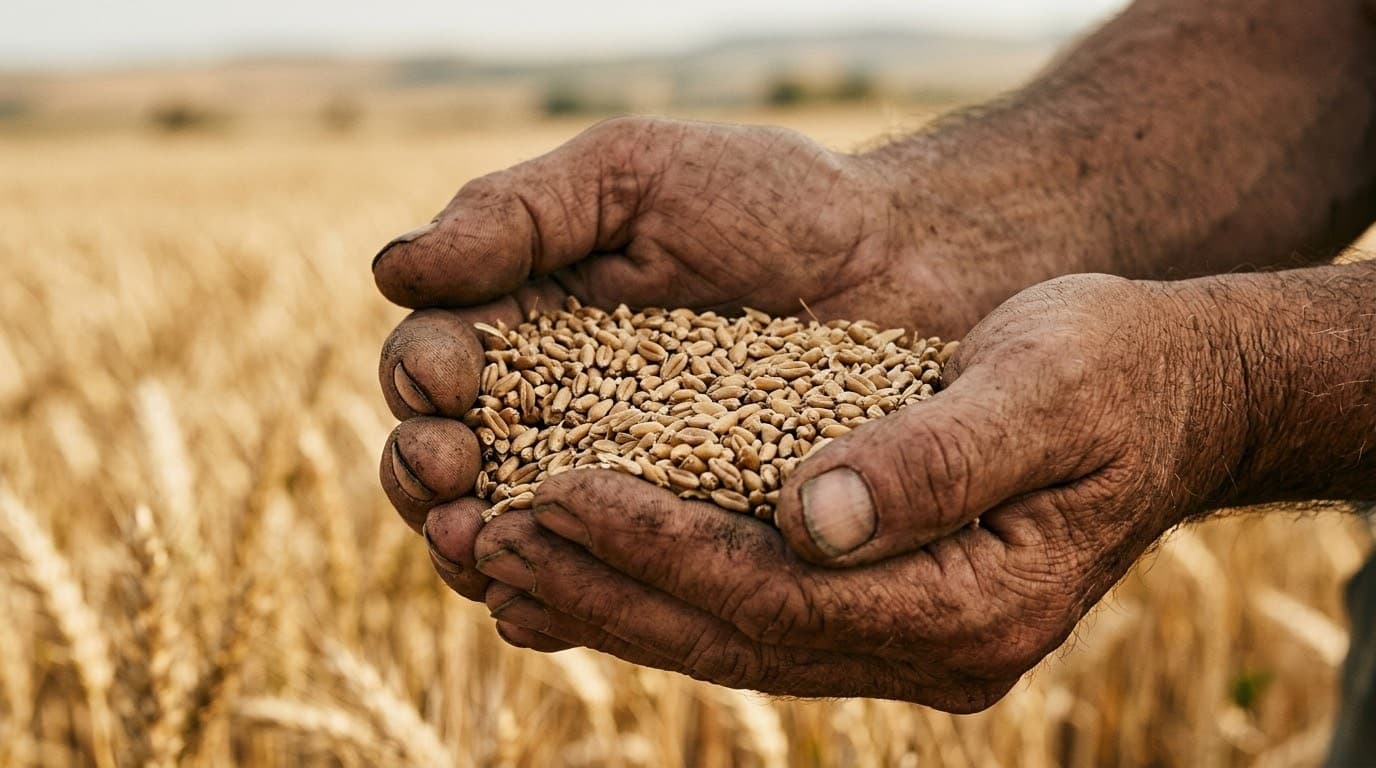
Why the GI Tag Matters: The True Cost of Bhalia Wheat
Bhalia wheat is one of the few grains in India to carry a Geographical Indication (GI) tag. But what does that actually mean for the grain, the farmer, and your family's health?
The Geography of Flavour
The Bhal region sits between the Gulf of Khambhat and the Nal Sarovar wetlands. Its soil is unique—a deep, black cotton soil that retains moisture incredibly well. Because of this, Bhalia wheat is grown entirely on conserved soil moisture from the monsoon, without any artificial irrigation.
This dry-farming technique forces the roots to go deep, resulting in a grain that is naturally higher in protein, rich in carotene, and distinctly sweet in taste. The low moisture content of the grain also means it can be stored for long periods without spoilage.
"You cannot grow Bhalia wheat anywhere else. The seed is important, yes, but it is the soil and the lack of water that gives the grain its character."
The GI Tag Protection
In 2011, Bhalia wheat was awarded a GI tag. This is crucial because it protects farmers from counterfeits. Previously, cheaper wheat grown in irrigated areas was being polished and sold as 'Bhalia' to fetch a premium, undercutting the genuine farmers.
When you buy GI-tagged wheat, you are not just guaranteeing purity and taste for your family; you are ensuring that the specific farming families who steward this arid land are fairly compensated for their difficult, traditional work.
Frequently Asked Questions
What makes Bhalia Wheat different from regular wheat?
Bhalia wheat is grown in the Bhal region of Gujarat without artificial irrigation. This unique dry-farming method gives it higher protein content, superior gluten quality, and a naturally sweet taste.
How does the GI tag protect consumers?
The Geographical Indication (GI) tag ensures that the wheat you are buying is 100% authentic Bhalia wheat sourced strictly from the Bhal region, preventing adulteration with cheaper, irrigated varieties.
Share this story